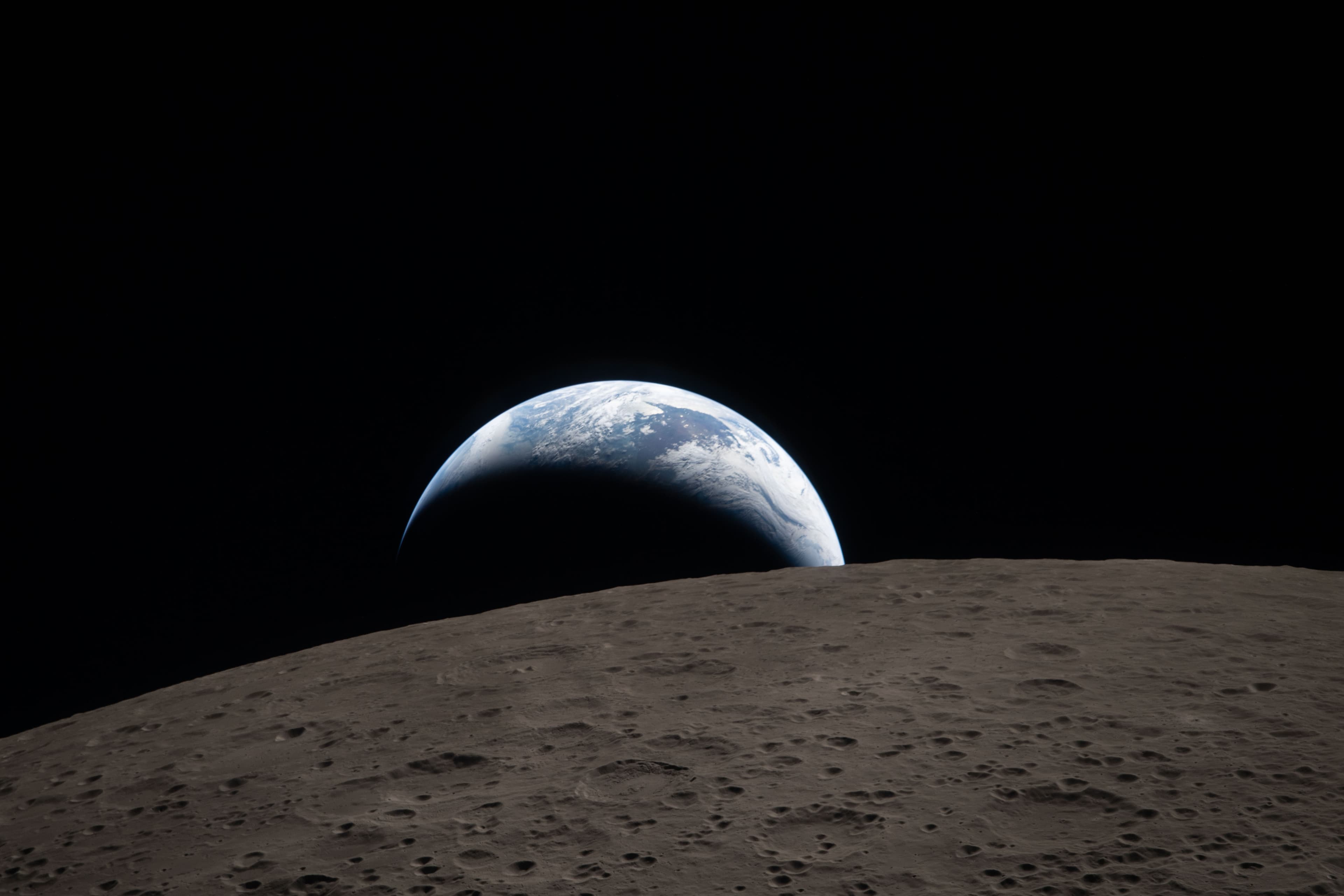
On Saturday, NASA and the United States made history with the splashdown of the second Artemis Lunar Mission. The Artemis II mission, which completed a 10-day journey around the Moon in April 2026, was crewed by NASA astronauts Reid Wiseman (Commander), Victor Glover (Pilot), Christina Koch (Mission Specialist), and Jeremy Hansen (Mission Specialist) from the Canadian Space Agency. This historic crew was the first to fly beyond Earth's orbit since the Apollo era, part of a larger plan to eventually make way for permanent human habitation on the moon.
Fast Facts
According to official data from NASA, the crew has traveled a total of 695,081 miles from launch to splashdown. The spacecraft passed within 4,070 miles of the lunar surface during its closest approach and reached a maximum distance of 252,760 miles from Earth, about 4,105 miles farther than Apollo 13. The purpose of the lunar flyby was to test the spaceflight systems of the cutting-edge Orion spacecraft designed by Lockheed Martin, gathering data and metrics that will aid NASA in future missions to the lunar surface. According to NASA, the goals of the mission were:
-
"Crew: Demonstrate the ability of systems and teams to sustain the flight crew in the flight environment, and through their return to Earth.
-
Systems: Demonstrate systems and operations essential to a crewed lunar campaign. This ranges from ground systems to hardware in space, and operations spanning from development to launch, flight, and recovery.
-
Hardware and Data: Retrieve flight hardware and data, assessing performance for future missions.
-
Emergency Operations: Demonstrate emergency system capabilities and validate associated operations to the extent practical, such as abort operations and rescue procedures, as needed.
-
Data and Subsystems: Complete additional objectives to verify subsystems and validate data."
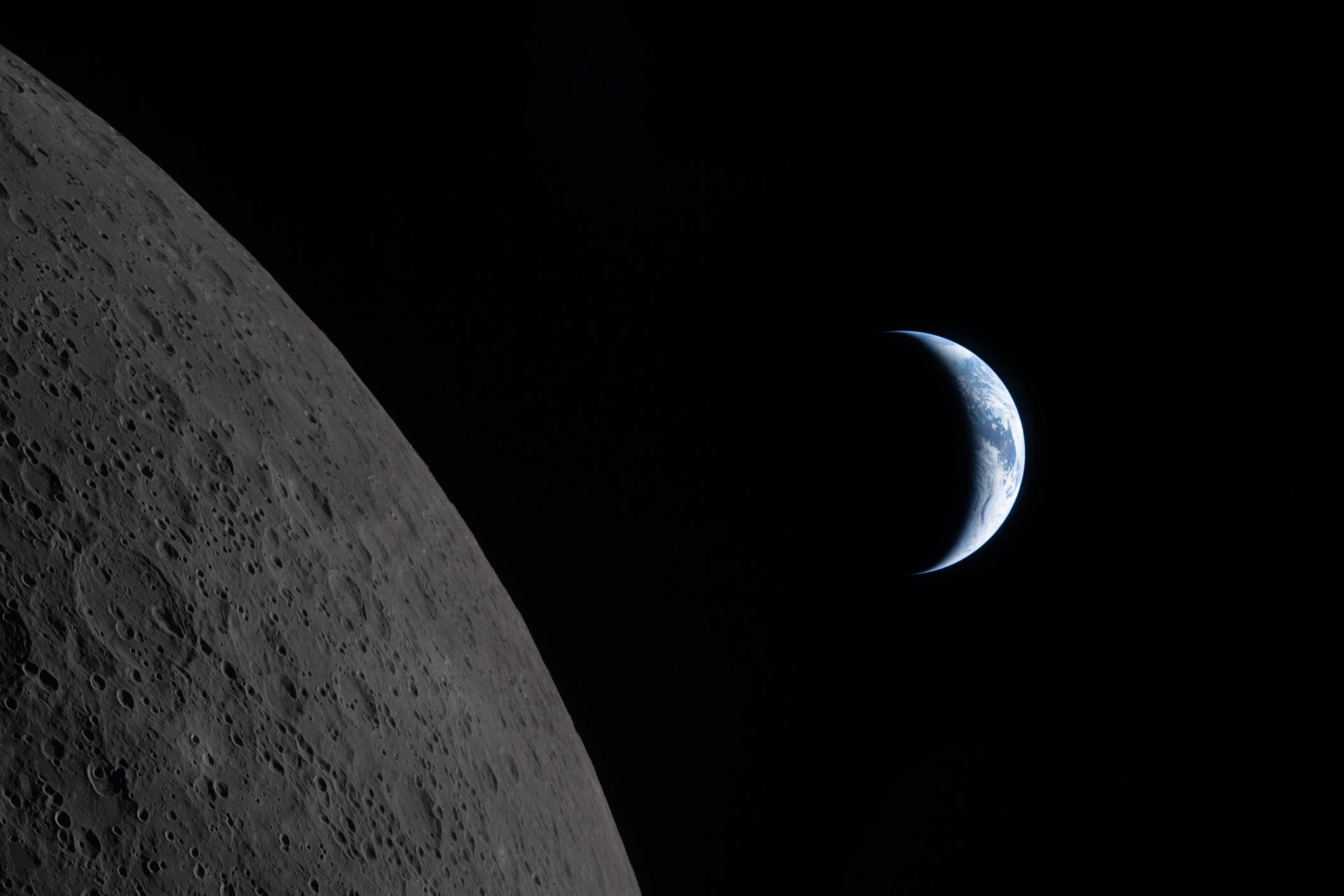
While Artemis II did not touch down or even enter orbit of our Moon, its significance marks two milestones in human spaceflight. The first of these is the record-breaking distance that humanity has travelled from our planet, and the second is the first official test of the planned radio disconnect. This happened when the Orion spacecraft, which was nicknamed Integrity by the crew, passed behind the moon, blocking radio contact with Mission Control on Earth.
Impact and Situation on Earth
Back on Earth, Artemis II's launch came amid the ongoing Iran-American and Israeli War, and political turmoil over the release of the Epstein Files in the United States. Many across the world saw the launch as a symbol of hope, a flicker of humanity's ability to unite to explore the future for our species. However, the significance of the mission was overshadowed by the atrocities of the regional conflict in the Middle East as Iran suffered continued bombing, with more than 1,000 killed by Israel and the US, while Lebanon remained under siege by the Israeli Defense Force, seeing 1,300,000+ displaced within the first 2 weeks of the occupation and over a thousand dead. Both Israel and the United States have suffered loss of human life, but continue to escalate, despite peace talks and attempts at a ceasefire, which fell through after talks in Islamabad, Pakistan, on Sunday
NASA too has faced uncertainty over its ability to continue the Artemis project on schedule, as proposed agency budget cuts of up to 23% ($5.4 billion) for the coming fiscal year. Analysis done by nonprofit The Planetary Society has named 54 NASA missions that would be affected severely by the cuts. The proposal prioritizes lunar missions over other science initiatives, with an additional $731 million proposed for Artemis exploration systems. However, the program, which is already billions over budget and years behind schedule, faces a limiting landscape where it must prove it can deliver, with some critics speculating it may face pressure to end after Artemis III or face more delays.
A Case for Hope?
Overlaps between the events of war and human conflict have mostly taken over news feeds around the world, yet Artemis II was completed Saturday night in the midst of Iranian and American peace talks. Mission Specialist Christina Koch said from Integrity, "We will always choose Earth. We will always choose each other," putting into words what many across the world feel now as they watch the events taking place in their own countries by their governments.
The year so far has not contained hope for many across the world, as the effects of the US President Donald Trump's administration have rippled throughout the globe, conflicts continue to rage in the Sahel, Russia and Ukraine, the Middle East, Asia, and Mexico, and uncertainty grows over the future of geopolitical peace.
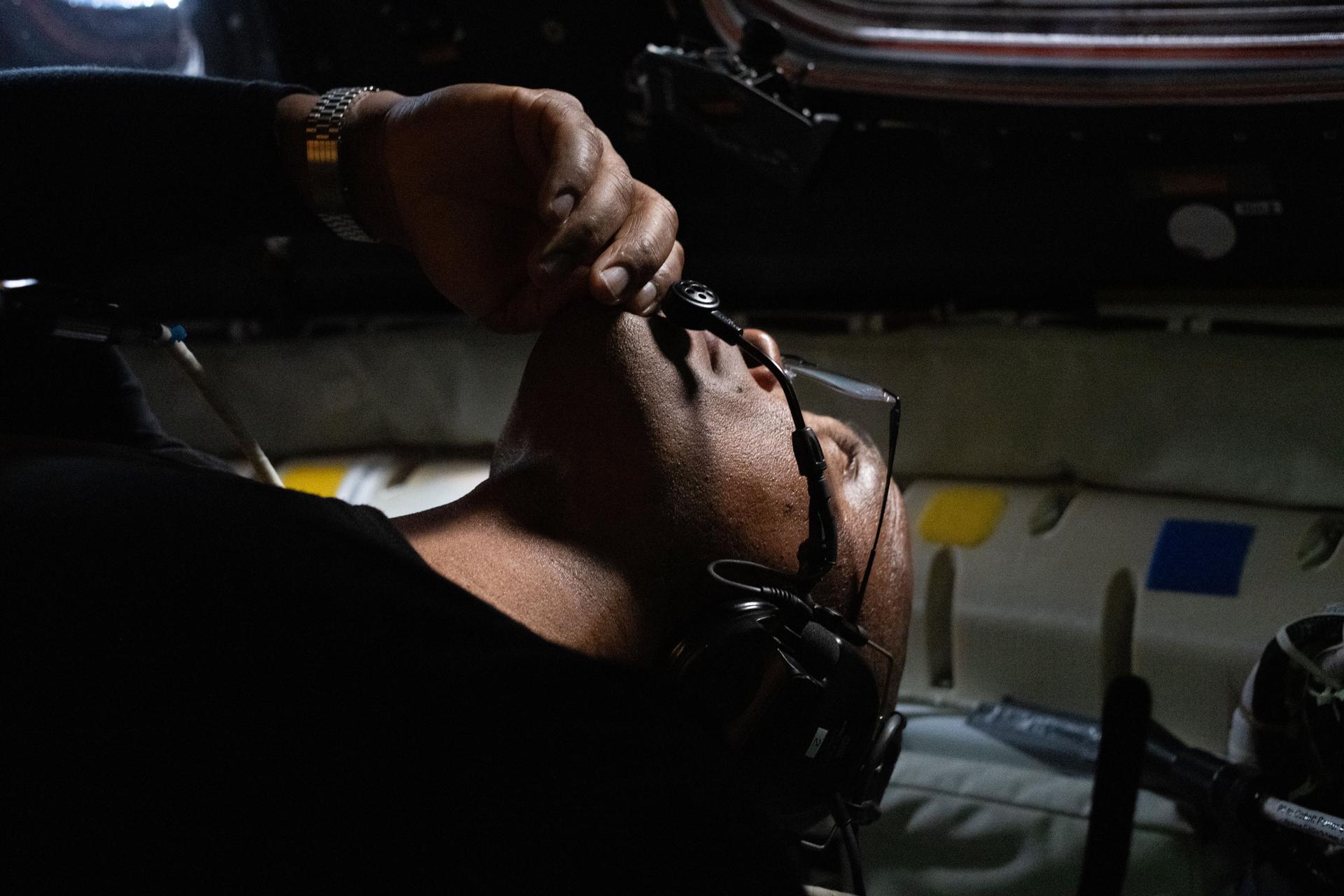
However, in the face of adversity, NASA has been able to successfully get these missions off the ground, launching humans far into space to gather information and data that have been brought back and will be used for the future missions left in the Artemis program. Artemis II may be a case for hope as humanity looks to the final frontier for exploration. Many users across the internet noted throughout the mission how the astronauts on board Integrity really did represent us as a species, while at the same time reflecting the frustrations of society as the average person navigates the difficult topics of today's news. Notably, the astronauts came together on April 6th to name a lunar crater after the late wife of Mission Commander Reid Wiseman. "Caroll" was named in honor of Caroll Taylor Wiseman, and the moment is, in a nutshell, what shows the beauty of humanity and its ability to unite, create, and establish good and beautiful things as a team. The moments documented on the mission quickly became positive documentations of hope and inspiration for many across social media. Many commented on the values, bravery, and honor shown by the crew, noting their wish for politicians, organizations, and regimes around the world to turn back to humanity and follow their examples.
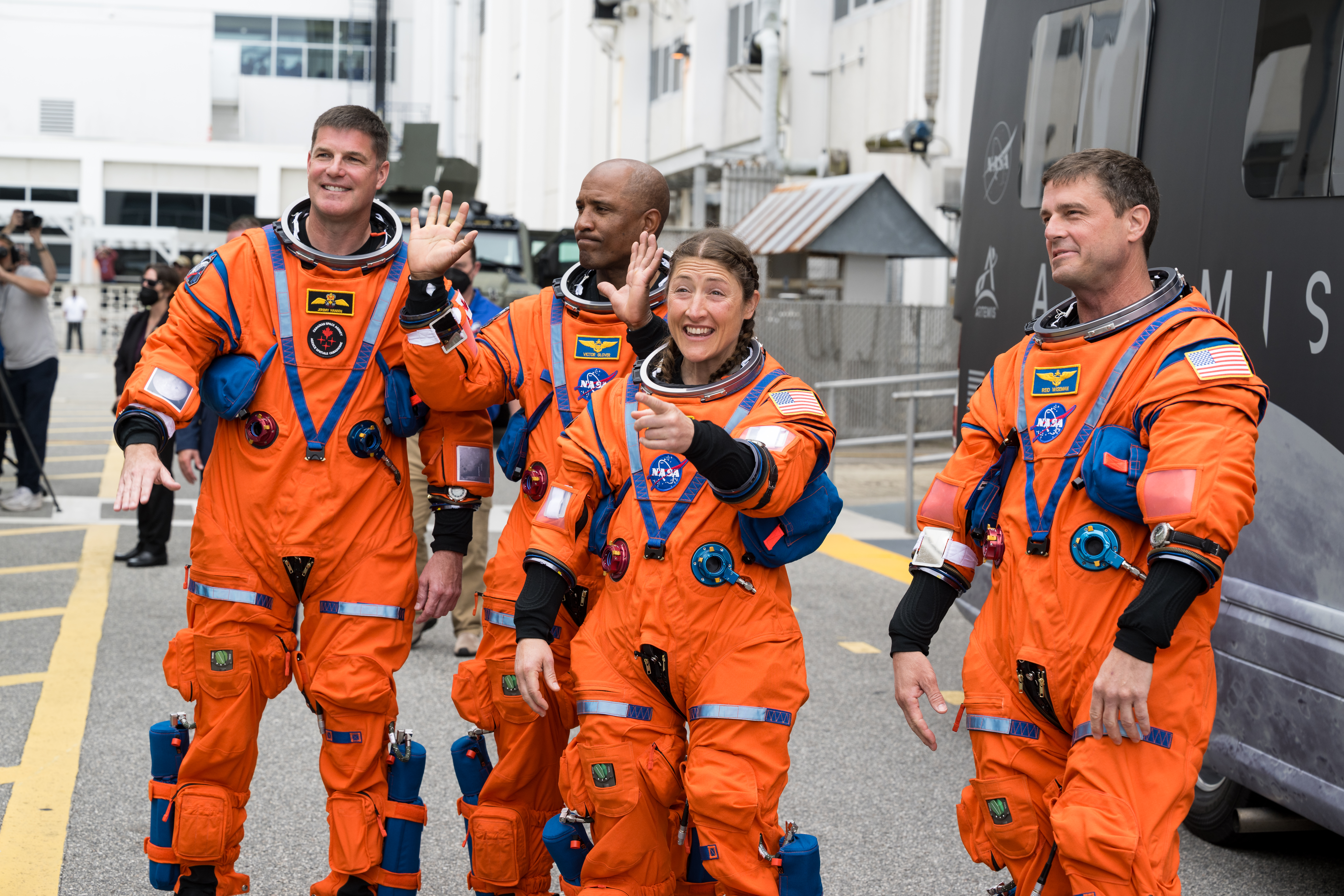
Overall, the success of the mission remains a symbol of hope for many in turbulent times. While we watched the crew of Artemis II complete their lunar flyby, capturing the beauty of Earth and the Moon, the world continued fighting and killing, showing the dark contrast of human capabilities. Yet, by 2028, NASA hopes to put humans back on the moon, permanently, opening a new avenue for exploration and human cooperation as space agencies around the world remain a network of cooperation and teamwork.


.jpg&w=828&q=75)

Discussion
Loading discussion…